

Latest
Press Release
08 July 2025
WHO and Turkmenistan strengthen collaboration to improve COPD and asthma care
Learn more
Press Release
16 June 2025
FAO Strengthened National Capacity on SDG Indicators
Learn more
Press Release
05 June 2025
UN Resident Coordinator Joins Turkmenistan’s World Environment Day Conference
Learn more
Latest
The Sustainable Development Goals in Turkmenistan
The Sustainable Development Goals are a global call to action to end poverty, protect the earth’s environment and climate, and ensure that people everywhere can enjoy peace and prosperity. These are the goals the UN is working on in Turkmenistan:
Press Release
14 April 2022
Reviewing the progress made within the Joint Programme on Empowering and Engaging Youth in Mitigating the Threats of the Health Pandemic
The Steering Committee meeting was chaired by Mr. Parahat Agayev, Deputy Minister of Sport and Youth Policy of Turkmenistan, and Mr. Chary Nurmuhammedov, UN Resident Coordinator Office Team Leader in Turkmenistan. The Joint Programme is supported by the United Nations Trust Fund for Human Security (UNHSTF) with implementation period of August 1, 2021 – January 31, 2023.
The members of the Steering Committee - implementing partners from the national ministries and organizations and UN Agencies reported the current progress, discussed the opportunities, and agreed on the next steps for 2022.
It was noted by speakers that focus on human security ensures that the vulnerable groups of people, who are most exposed to risks of pandemic, are at the center of this initiative, their voices are heard and their most pressing needs and vulnerabilities are taken into account. Empowerment and participation of young people in this process represents an important opportunity to strengthen the country's progress towards achieving the Sustainable Development Goals, increase the resilience of local communities in Dashoguz and Lebap velayats, as well as contribute to the effective and sustainable implementation of measures related to the socio-economic response to the pandemic.
The Joint Programme aims to empower and engage youth in Lebap and Dashoguz regions by planning, designing and implementing four community initiatives together with representatives of state and public organizations in these regions. The initiatives will integrate the human security approach and focus on insecurities of the most vulnerable groups of people in Lebap and Dashoguz velayats, in line with the principle of “leaving no one behind”.
In addition, the 18-month Joint Programme aims to build the capacity of the government officials at the national and regional levels to apply the human security approach in risk analysis and development of a multi-dimensional response to the global pandemic. Using a multi-sectoral approach, the Joint Programme develops a holistic set of interventions that are people-centered, comprehensive, context specific and prevention oriented using the bottom-up approach.
***
UNFPA, the United Nations Population Fund and the Ministry of Sport and Youth Policy of Turkmenistan are the lead agencies in the Joint Programme. Coordinated by the Ministry of Foreign Affairs and the United Nations Resident Coordinator Office, other implementing partners are: UNICEF, IOM, UNODC on behalf of the UN and Ministry of Labor and Social Protection of Population, Ministry of Interior, Ministry of Education, Ministry of Healthcare and Medical Industry, including local government authorities from Lebap, Mary, Akhal, Dashoguz and Balkan velayats on behalf of the Government of Turkmenistan. The Joint Programme is also supported by the Youth Organization named after Magtumkuli, Women’s Union of Turkmenistan as well as public organizations and local NGOs working with the communities.
Contact information
Nataliya Chemayeva
Joint Programme Manager, UNFPA
Email to: chemayeva@unfpa.org
Story
25 March 2025
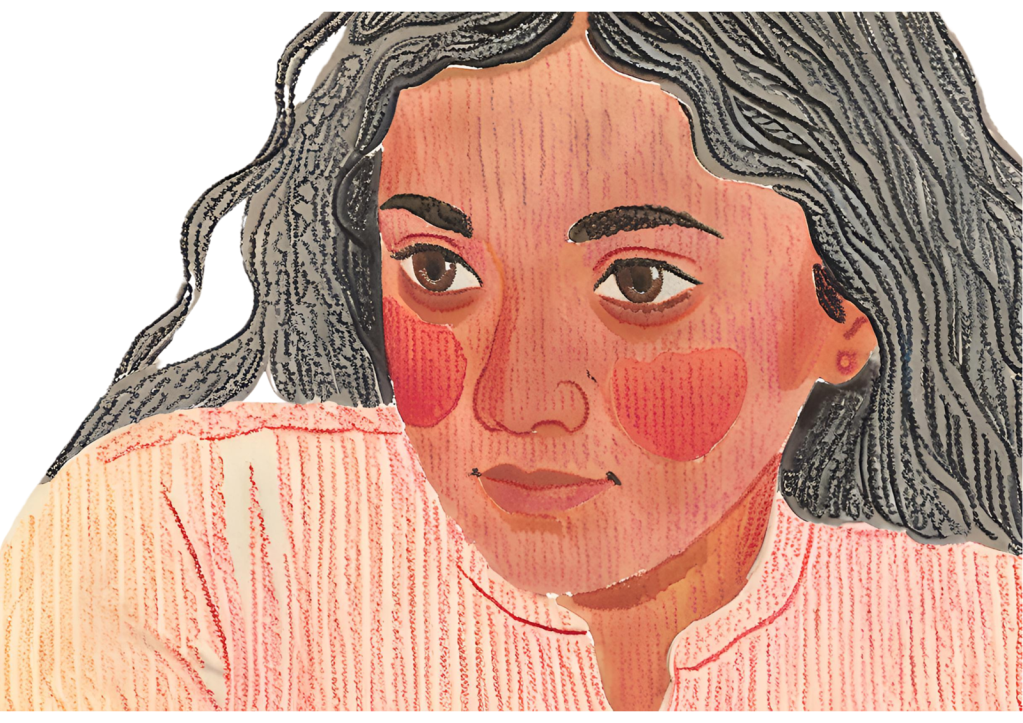
Meryem's Story: The Path to Recovery from Tuberculosis
She moved abroad to pursue her studies in management and was excelling academically. Her first-year exams were intense, but she passed them more than successfully. The First Warning SignsDuring the summer break, however, she began to feel unwell: constant fatigue, a swollen throat, a persistent cough, and severe headaches. She initially thought it was due to academic stress, but when the symptoms persisted for over a month, Meryem visited the university hospital.Doctors first diagnosed her with a common cold, but the prescribed treatment didn’t help. Over the next three months, Meryem was treated for everything from the flu to tonsillitis. Medications, physiotherapy, and recommendations kept changing. Online searches for her symptoms yielded a range of possibilities — from depression to cancer. Prolonged Treatment for Unknown IllnessBy mid-September, when classes resumed, Meryem was completely exhausted. She woke up at night drenched in sweat, had lost significant weight, and was tormented by a productive cough. One night, she woke up unable to feel her legs below the knees. She pinched her calves, but sensation only returned after an hour."When I suddenly started feeling nauseous from my favorite oranges, I immediately thought — it’s tuberculosis. I remembered a distant relative who had tuberculosis and compared the symptoms. He also suffered from constant nausea and extreme weight loss. But when I brought this up with the campus hospital doctor, I had to insist on a lung X-ray! I wasn’t afraid of the diagnosis; I just wanted to know the truth and finally start treatment".The X-ray revealed a dark spot, but laboratory tests did not confirm tuberculosis. Until December, Meryem was hospitalized several times, but the treatments provided little relief. At dorm, her condition worsened. A clear diagnosis remained elusive, and her studies had to be put on hold. Returning HomeMeryem decided to take a leave of absence from her studies and return home.Upon arrival, she immediately underwent all necessary tests and another X-ray. The next day, she was informed that she had tuberculosis — instead of a spot, the X-ray now showed a clearly visible open cavity. The diagnosis was confirmed by a sputum test using the GeneXpert machine."The doctors explained to me how important it was to detect the disease earlier," Meryem said. "If I had waited a bit longer, my condition could have been much worse".Receiving the diagnosis brought mixed emotions for Meryem. She was shocked that it was indeed tuberculosis, but also relieved that treatment was available and accessible. However, she was deeply concerned about the possibility of having infected others. Accepting the Diagnosis and Starting TreatmentAfter the diagnostics, Meryem began an 9-month treatment regimen, which was far from easy. Doctors explained that she had initially had a sputum positive form of tuberculosis – contagious form of TB, when mycobacterium tuberculosis were actively released from her lungs into the environment. This was terrifying, and despite the doctors' support, Meryem worried about how this might affect her loved ones. She strictly followed the recommendations — staying home in self-isolation, regularly wet-cleaning her room, wearing a mask, and avoiding prolonged contact with family members.Meryem was incredibly fortunate with her family. They supported her at every stage of treatment and actively involved her in family life, ensuring she never felt alone. Her parents underwent preventive treatment, while her siblings and their children, who adored their aunt and visited her often, regularly had follow-up X-rays. Even her neighbors supported her on her path to recovery.Meryem was open about her diagnosis. When chatting with people online, if anyone showed romantic interest, she would bluntly say: "I have tuberculosis!". This weeded out those who held stereotypes about the disease. But one person wasn’t discouraged.
The First Signs of Recovery: A Step Toward a New LifeAfter nearly a month of intensive treatment, Meryem’s condition started improving, and doctors informed her that tuberculosis had transitioned to a sputum negative – non-contagious form. This meant the risk of transmitting the infection to others had significantly decreased. Despite the side effects of the medication, Meryem felt uplifted by this news — she was relieved that her family were no longer at high risk.During this time, her family grew even closer. Her parents, sister, and brother supported her at every step — from picking up her to get medicines at the health center to helping with household chores. They adapted their daily lives to minimize the physical burden on Meryem. Transformation Through Illness: Learning to Care for HerselfHowever, there were periods when she felt particularly weak, both physically and emotionally.Throughout her treatment, Meryem had to rethink her life and self-care habits. The medicines caused her skin to darken and dry out, so she dedicated time each day to skincare routines. Her appetite increased, and her food preferences changed, so she made time for walks in the fresh air not to gain weight. When the medicines caused apathy, she took up new hobbies — doing whatever it took to emerge from this experience stronger.Once her tuberculosis became “non-open”, Meryem again started thinking about her future. Her studies and career were still unresolved. She was used to being self-sufficient, but her unstable health made even remote work difficult. The young man who wasn’t scared off by her diagnosis became a great support. He took on more responsibilities, caring for her and planning their future wedding so Meryem could focus on her recovery. Their chats became a daily routine — they discussed the importance of following medical advice, shared concerns about the treatment process, and explored ways to regain her health faster. These cuddling moments and care made her recovery journey easier and quicker.After several months of consistent treatment, Meryem noticed significant improvements. Her symptoms gradually disappeared, and doctors confirmed that her immune system had recovered, allowing her to return to an active life. However, despite the positive changes, she faced a new challenge: stigma. As she began to go outside more and more, she noticed that some acquaintances and relatives avoided her, fearing infection. This hurted, but Meryem understood that tuberculosis is treatable and that she was doing everything possible to recover. Rebuilding the Future: Dreams and the Path ForwardToday, nearly a year into her treatment, Meryem feels much better. The cavity in her lung has closed, and her TB tests are negative. Her phthisiatrician (TB treating physician) has even recommended her for a medical commission to officially declare her cured of tuberculosis."I’m eagerly awaiting the commission’s decision — it will be a new beginning for me. Once I get the certificate of recovery, I’ll finally believe that all the plans I’ve been making for almost a year are real. And I have many: resuming my studies, preparing for my wedding, and setting up our future home". More Than Just a Diagnosis: A Message for Others Fighting TBMeryem’s path to recovery was not easy, but she didn’t take it alone. The support of her family, doctors, and loved ones gave her the strength to keep going, and now she knows that life, not illness, awaits her.She advises anyone experiencing similar symptoms to get diagnosed as soon as possible. And if the diagnosis is confirmed, focus not on the disease but on the treatment — take medicines regularly, eat well, rest, and build up strength.“Most importantly, don’t face it alone: the support of loved ones can be the key to successful recovery”.Since 2010, Turkmenistan's National Tuberculosis Program has been implemented with the support of grants from the Global Fund to Fight AIDS, Tuberculosis, and Malaria (GF). In partnership with the Ministry of Health and Medical Industry of Turkmenistan (MoHMIT) and with the implementation support of the United Nations Development Programme (UNDP), GF grants have contributed to reducing the burden of tuberculosis and strengthening the healthcare system. Starting in 2018, the Government of Turkmenistan has gradually taken over financial responsibilities for many program activities, including the procurement of medicines and reagents for the treatment of drug-sensitive tuberculosis, and by 2021, for multidrug-resistant tuberculosis (MDR-TB) as well.In 2025, the GF project will focus on the most complex cases of tuberculosis, as well as supporting diagnosis, treatment, and patient care, with a gradual transition to full domestic funding of the program by 2027.Thanks to the joint efforts of the GF, UNDP, and MoHMIT, tuberculosis diagnosis and treatment have become more accessible in the country. However, the path to recovery for patients can still be challenging, especially if the disease is not diagnosed promptly. This was the case for Meryem, a young woman who had to endure a long and difficult process of diagnosis abroad and treatment at home.
The First Signs of Recovery: A Step Toward a New LifeAfter nearly a month of intensive treatment, Meryem’s condition started improving, and doctors informed her that tuberculosis had transitioned to a sputum negative – non-contagious form. This meant the risk of transmitting the infection to others had significantly decreased. Despite the side effects of the medication, Meryem felt uplifted by this news — she was relieved that her family were no longer at high risk.During this time, her family grew even closer. Her parents, sister, and brother supported her at every step — from picking up her to get medicines at the health center to helping with household chores. They adapted their daily lives to minimize the physical burden on Meryem. Transformation Through Illness: Learning to Care for HerselfHowever, there were periods when she felt particularly weak, both physically and emotionally.Throughout her treatment, Meryem had to rethink her life and self-care habits. The medicines caused her skin to darken and dry out, so she dedicated time each day to skincare routines. Her appetite increased, and her food preferences changed, so she made time for walks in the fresh air not to gain weight. When the medicines caused apathy, she took up new hobbies — doing whatever it took to emerge from this experience stronger.Once her tuberculosis became “non-open”, Meryem again started thinking about her future. Her studies and career were still unresolved. She was used to being self-sufficient, but her unstable health made even remote work difficult. The young man who wasn’t scared off by her diagnosis became a great support. He took on more responsibilities, caring for her and planning their future wedding so Meryem could focus on her recovery. Their chats became a daily routine — they discussed the importance of following medical advice, shared concerns about the treatment process, and explored ways to regain her health faster. These cuddling moments and care made her recovery journey easier and quicker.After several months of consistent treatment, Meryem noticed significant improvements. Her symptoms gradually disappeared, and doctors confirmed that her immune system had recovered, allowing her to return to an active life. However, despite the positive changes, she faced a new challenge: stigma. As she began to go outside more and more, she noticed that some acquaintances and relatives avoided her, fearing infection. This hurted, but Meryem understood that tuberculosis is treatable and that she was doing everything possible to recover. Rebuilding the Future: Dreams and the Path ForwardToday, nearly a year into her treatment, Meryem feels much better. The cavity in her lung has closed, and her TB tests are negative. Her phthisiatrician (TB treating physician) has even recommended her for a medical commission to officially declare her cured of tuberculosis."I’m eagerly awaiting the commission’s decision — it will be a new beginning for me. Once I get the certificate of recovery, I’ll finally believe that all the plans I’ve been making for almost a year are real. And I have many: resuming my studies, preparing for my wedding, and setting up our future home". More Than Just a Diagnosis: A Message for Others Fighting TBMeryem’s path to recovery was not easy, but she didn’t take it alone. The support of her family, doctors, and loved ones gave her the strength to keep going, and now she knows that life, not illness, awaits her.She advises anyone experiencing similar symptoms to get diagnosed as soon as possible. And if the diagnosis is confirmed, focus not on the disease but on the treatment — take medicines regularly, eat well, rest, and build up strength.“Most importantly, don’t face it alone: the support of loved ones can be the key to successful recovery”.Since 2010, Turkmenistan's National Tuberculosis Program has been implemented with the support of grants from the Global Fund to Fight AIDS, Tuberculosis, and Malaria (GF). In partnership with the Ministry of Health and Medical Industry of Turkmenistan (MoHMIT) and with the implementation support of the United Nations Development Programme (UNDP), GF grants have contributed to reducing the burden of tuberculosis and strengthening the healthcare system. Starting in 2018, the Government of Turkmenistan has gradually taken over financial responsibilities for many program activities, including the procurement of medicines and reagents for the treatment of drug-sensitive tuberculosis, and by 2021, for multidrug-resistant tuberculosis (MDR-TB) as well.In 2025, the GF project will focus on the most complex cases of tuberculosis, as well as supporting diagnosis, treatment, and patient care, with a gradual transition to full domestic funding of the program by 2027.Thanks to the joint efforts of the GF, UNDP, and MoHMIT, tuberculosis diagnosis and treatment have become more accessible in the country. However, the path to recovery for patients can still be challenging, especially if the disease is not diagnosed promptly. This was the case for Meryem, a young woman who had to endure a long and difficult process of diagnosis abroad and treatment at home.
1 of 5
Story
28 February 2025
KEMRAN’S JOURNEY WITH FUTURESKILLS4ALL
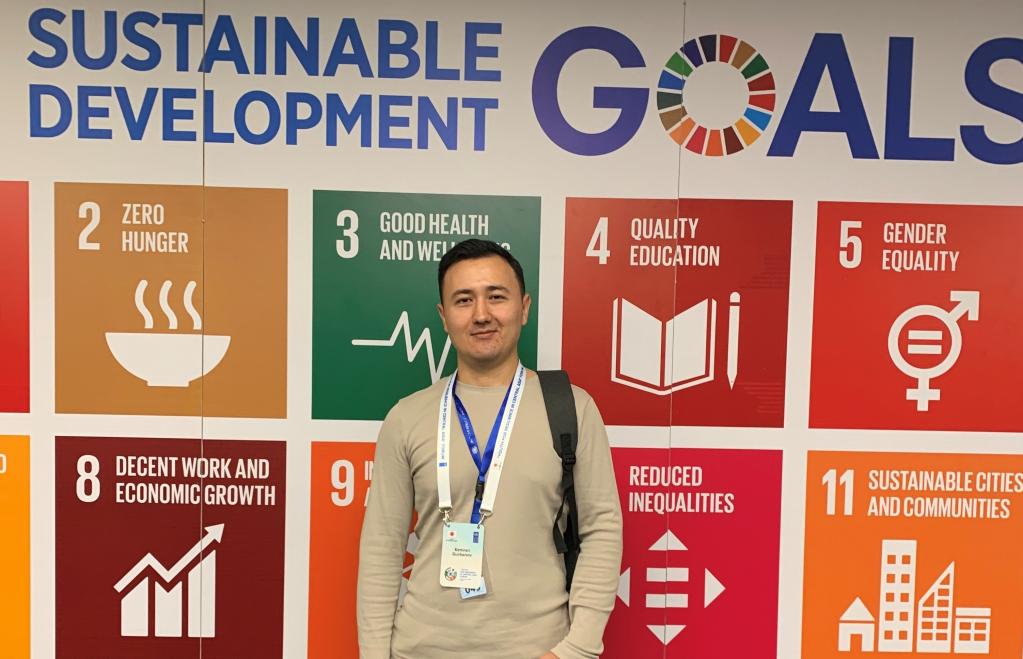
Kemran Gurbanov, a 27-year-old from Mary, Turkmenistan, has always been fascinated by creating and building things. “I enjoyed the process of bringing ideas to life, whether it was sketching out structural designs or building simple programs to solve problems,” – remembers Kemran. His passion for engineering led him to pursue a degree in civil engineering at the Belarusian National Technical University, where he developed a strong foundation in structural design and construction. After graduating, he began his professional journey in the construction industry, applying his skills to real-world projects. However, his curiosity extended beyond blueprints and physical structures—he was increasingly drawn to the digital world. The rapid rise of technology in modern industries sparked his interest in IT, making him eager to explore how digital tools could complement his engineering expertise.FutureSkills4All: A Bridge to the FutureSeeking to bridge his engineering background with digital innovation, Kemran joined the FutureSkills4All initiative in May 2024, an opportunity made possible through the United Nations Development Programme (UNDP) Knowledge Project in partnership with the United Arab Emirates (UAE). The initiative is part of the regional project "Promoting Resilient Communities to Prevent Violent Extremism (PVE) in Central Asia," funded by the Government of Japan and implemented by UNDP in collaboration with the Ministry of Labour and Social Protection of the Population of Turkmenistan. Covering five countries in the region, this PVE initiative takes a people-centered, preventive approach, fostering social cohesion and regional synergy through high-level meetings, youth exchanges, and training. Through the FutureSkills4All initiative, Kemran not only expanded his technical expertise but also stepped out of his comfort zone. He enrolled in the technical skills track, focusing on key areas: Back-End Development, Data Analysis (Beginner and Advanced levels), and Software Engineering. “I am drawn to data analytics because of its ability to turn raw information into meaningful patterns, helping make informed decisions,” – noted Kemran. In addition to strengthening his programming and data analytics skills, he honed his abilities in content creation, time management, and audience engagement—all of which proved invaluable for his career growth. The flexibility of online learning also allowed him to balance his job while immersing himself in these new disciplines.In August 2024, Kemran participated in the 'Youth and Peace' workshop organized by UNDP Turkmenistan In partnership with the Embassy of Japan in Ashgabat, to mark the International Youth Day. This event, held at the UN Building in Ashgabat, recognized the achievements of young participants in the FutureSkills4All initiative, which has empowered over 660 youth in Turkmenistan like Kemran with access to Coursera’s market-driven courses. “We are delighted to support the FutureSkills4All initiative, which helps youth prepare for a competitive and rapidly changing job market,” said Narine Sahakyan, UNDP Resident Representative in Turkmenistan, at the awarding ceremony. “I am confident that the skills they have acquired will enable them to make significant contributions to Turkmenistan’s development.” Expanding Horizons: From Regional Collaboration to Global InsightsIn October, Kemran’s journey took him beyond Turkmenistan. He was invited to Almaty, Kazakhstan, for the 'Youth for a Sustainable Future of Central Asia' forum, where he engaged with young leaders from across the region. The event, part of the same PVE regional initiative supported by UNDP and the Government of Japan, highlighted youth employment and skills development as key strategies for preventing violent extremism and fostering resilient communities. "Connecting with such a diverse group," Kemran reflects, "helps you see the meaningful role young people can play in driving positive change." Kemran’s dedication to upskilling and his outstanding achievements in the FutureSkills4All initiative earned him an invitation to the Knowledge Summit in Dubai in November 2024. The event placed a strong emphasis on artificial intelligence (AI) and digital transformation, providing Kemran with firsthand insights into emerging technological trends. “Attending the Knowledge Summit was a life-changing experience. It reinforced my belief that integrating AI and digital solutions into traditional industries can revolutionize the way we work,” he says. Looking Ahead: Engineering a Smarter FutureAs Kemran looks to the future, he envisions a career where construction engineering and IT seamlessly intersect. His goal is to leverage cutting-edge technologies such as Building Information Modeling (BIM), process automation, and data analytics to enhance efficiency and innovation in the construction industry.Kemran's dedication quickly yielded results. His newfound skills led to interviews with IT companies, and he soon began working on remote projects where his software engineering and back-end development skills proved invaluable. He recently landed a position at a construction firm as a project engineer, where he's eager to apply the skills he acquired through the FutureSkills4All initiative. His understanding of data analytics now helps him analyze field data effectively in his current role. "Learning programming and data analysis has transformed the way I approach problem-solving at work. Whether it's optimizing project workflows or integrating digital tools into construction processes, my IT knowledge has made me more efficient and adaptable," Kemran shares.Reflecting on his exciting journey, Kemran offers an inspiring message to others looking to step into the world of digital learning and innovation: “Every challenge is an opportunity to grow. The key is to stay curious, be ready for change, and never stop learning.”
1 of 5
Story
11 November 2024
Third Inclusive Festival Promotes Diversity and Inclusion in Ashgabat in Celebration of International Day of Persons with Disabilities
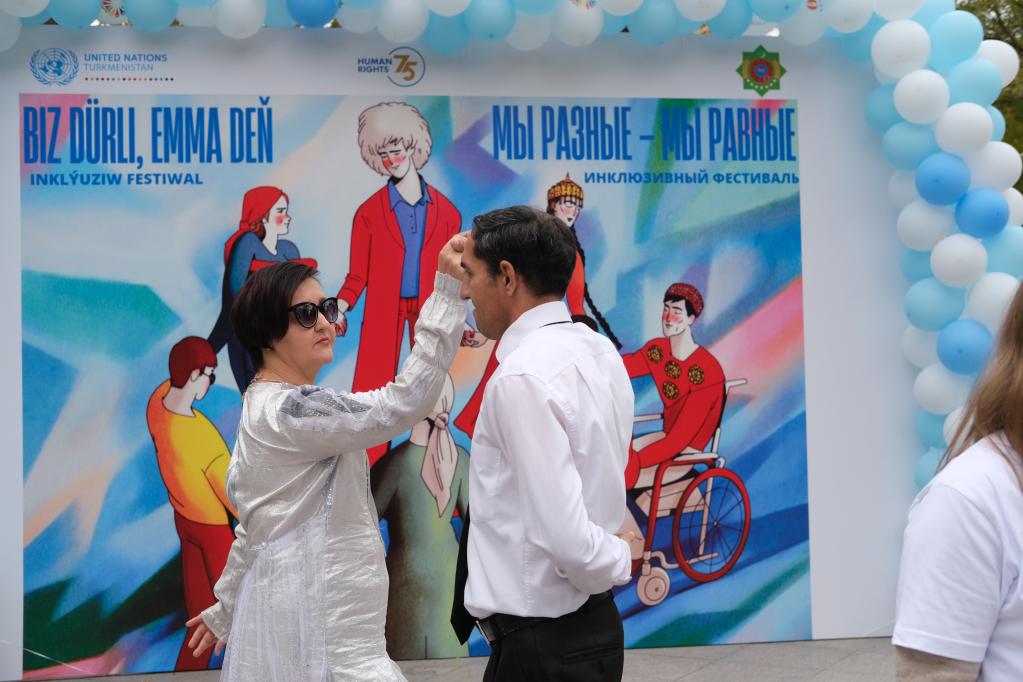
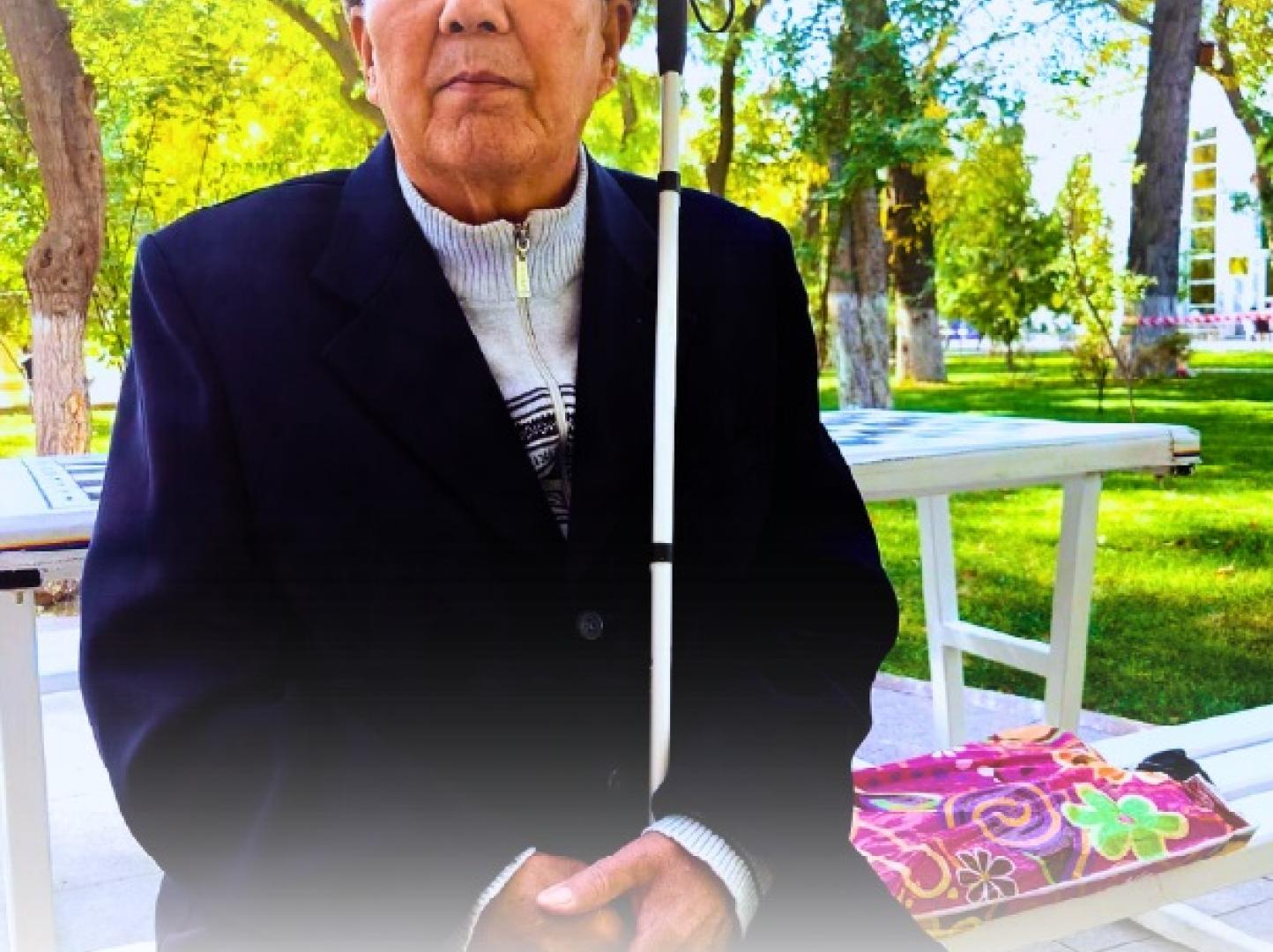
With the support from the Government of Turkmenistan, the United Nations Resident Coordinator’s Office (RCO) and and the Office of UN High Commissioner on Human Rights Regional Office for Central Asia (OHCHR ROCA) in collaboration with UNICEF, UNFPA, WHO, IOM, UN Volunteers and local NGOs and youth activists, successfully hosted the third annual Inclusive Festival “We are different- We are equal”, on 9 November at the 1st Park in Ashgabat. The event brought together diverse segments of the community to celebrate inclusion, promote human rights, and highlight the importance of solidarity in Turkmenistan. This year’s event was held in anticipation of the International Day of Persons with Disabilities, highlighting the importance of promoting inclusion and equal opportunities for persons with disabilities in Turkmen society.The festival brought together more than 300 representatives from government agencies, civil society organizations, diplomatic community, youth groups, and the general public, creating a vibrant and welcoming space for dialogue, creativity, and inclusiveness. The event was dedicated to fostering a deeper understanding of the rights of persons with disabilities and encouraging active community engagement to ensure no one is left behind. The civil society organizations included National Red Crescent Society, Deaf and Blind Society of Turkmenistan, Central Physical and Sports Club of the Disabled People of Turkmenistan, Yenme, Center for Support of People with Disabilities, Agama, National Center of Special Olympics, National Federation of Gymnastics, Young Naturalist and UN Young SDG Ambassadors. Private sector also supported the festival. The festival featured various activities, including inclusive sports, including chess for people with visual disabilities, rock climbing, arts and crafts, live performances, and games designed to inspire dialogue on equality, gender and social inclusion. The music and dance performances, and exhibitions of art and crafts made by people with disabilities made the festival brighter and more cheerful. The event featured youth-led initiatives aimed at raising awareness about social issues, including disability rights, gender equality, and environmental protection. Speaking at the event, Dmitry Shlapachenko, UN Resident Coordinator, emphasized: "The Inclusive Festival is a testament to our commitment to ensuring that everyone, regardless of their abilities or backgrounds, has a place in society. This festival is not just a celebration but a call to action to create a more inclusive and just world for all."The festival also provided a platform for civil society organizations to share their experiences, best practices, and innovative solutions for promoting inclusivity. Through creative performances and interactive dialogues, young activists showcased their dedication to building a more inclusive future in Turkmenistan.“The annual inclusive Festival proved that this is a great, welcome celebration of inclusivity, equality and dignity of everyone. It was very interesting, and we had a great time together. There are many bright, happy memories of this event,” shared Elchin Gulamov, a representative of the Society of deaf and blind people of Turkmenistan and a talented singer.The event concluded with a vibrant flashmob by young volunteers performing a song in sign language. Participants left the festival energized and motivated to continue working together toward a society where no one is left behind.
1 of 5
Story
18 October 2024
At The Forefront Of The Environmental Struggle: The Story Of Ogulsuray From Dashoguz
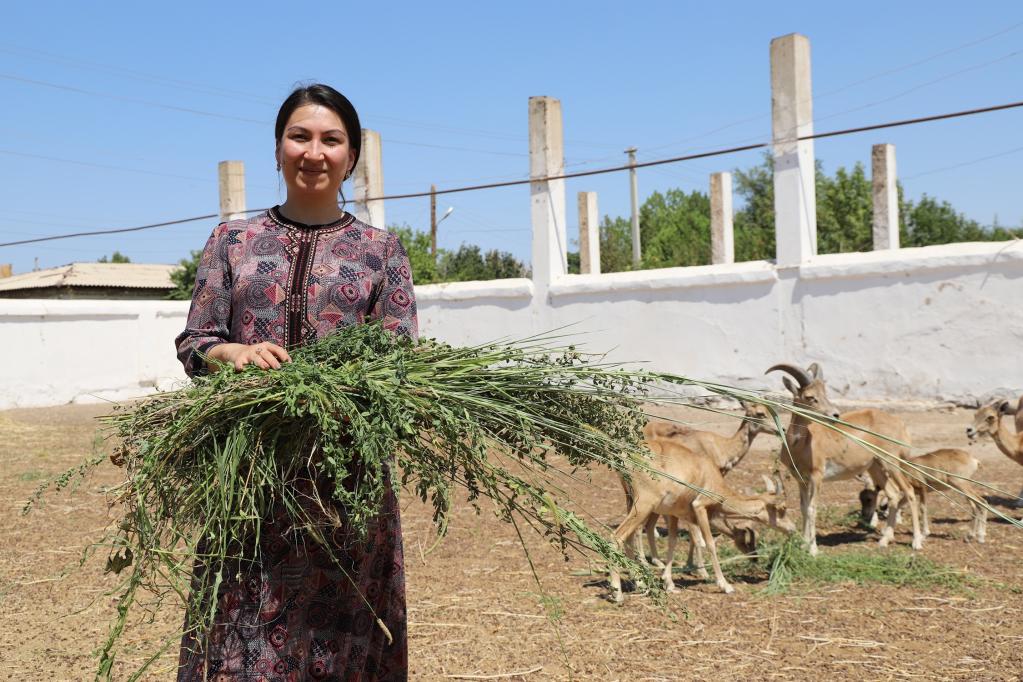
Dashoguz province in Turkmenistan faces significant challenges due to the lingering effects of the Aral Sea crisis and the intensifying impact of climate change. Declining rainfall, water shortages, and land degradation have severely impacted the livelihoods of its people and destroying fragile ecosystems. Yet, amidst this harsh reality, one woman stands as a beacon of hope and resilience: Ogulsuray Atayeva, who has dedicated her life to empowering rural communities in the face of daunting environmental challenges. As the leader of Eco-Durmush, the first and only women-led NGO in the Dashoguz region, Ogulsuray is not just fighting climate change –she's building the capacity of rural women, strengthening their resilience, and constantly advocating for sustainable growth. Her tireless efforts inspire local communities to adapt to a changing climate and create a more sustainable future. On the Way to Empowering Local Communities The journey wasn't easy. The story begins in 2015, when Ogulsuray witnessed the devastating impact of climate change on her community and decided to embark on a mission to empower them and build resilience by opening the NGO “Eco-Durmush”. Despite facing initial resistance from some local communities who were skeptical about the potential of a women-led organization to address such pressing issues, the organization quickly became a platform for collaboration, bringing together international projects, government bodies, fellow NGOs, and the private sector. All efforts have been made to provide rural people with the skills and knowledge they needed not only to survive, but also to thrive in the face of a changing climate, particularly in response to the consequences of the Aral Sea crisis. Eco Durmush provided local communities with practical skills in national legislation for successful business registration and management, trained in good agricultural practices and environmental management. By promoting sustainable agriculture and organic farming practices, an NGO has played a crucial role in building climate-resilient food systems in the region. This has not only helped to ensure food security but has also contributed to the preservation of the local environment and biodiversity. She also kept advocating for the rational use of water resources and implementing drip irrigation systems to improve water efficiency and increase agricultural productivity in the region. Under Ogulsuray's leadership, Eco-Durmush confronted prevailing gender stereotypes directly. By creating income-generating opportunities through eco-friendly businesses, they challenged the belief that women cannot be the main breadwinners of the family. "Empowering rural women and fostering sustainable practices is not just about improving livelihoods; it is about transforming communities and building resilience against the challenges of climate change. Together we can create a future, in which every woman has the opportunity to thrive," – says Ogulsuray. Jumagul, one of the beneficiaries of Eco-Durmush’s training programs, is a shining example of the NGO's impact. With the guidance and support of Eco-Durmush, she successfully launched her own beadwork business, selling her products both locally and online, which has significantly improved her economic situation. Under Ogulsuray's leadership, Eco-Durmush has also played an important role in fostering innovation and entrepreneurship among the youth of the region. The NGO supported the creation and development of innovative business ideas, such as organic fertilizer production and healthy food delivery services. Eco-Durmush mentors aspiring entrepreneurs, by providing them with the knowledge and resources necessary to start and maintain their businesses, which creates a positive effect, empowering local communities and increasing the economic vitality of the entire Dashoguz region. Ogulsuray's vision extended beyond individual success. Eco-Durmush became a breeding ground for social cohesion. They organized ecological fairs and festivals, engaging youth in climate action and promoting a sustainable lifestyle. These events contributed to the formation of a sense of community and collective responsibility for the environment.Collaboration with UNDP: A Partnership for ProgressThe United Nations Development Programme (UNDP), a key partner in Ogulsuray's journey, played a vital role. The UNDP's support has been pivotal in strengthening the impact of Eco-Durmush's initiatives. Through various programs and funding opportunities, UNDP has provided the resources and expertise needed to build a more resilient and self-sufficient community in Dashoguz region.The NGO's mission in Turkmenistan aligns closely with UNDP's efforts aimed at sustainable development and conservation of key ecosystems in the Turkmenistan part of the Aral Sea region. Through her active participation in the Global Environmental Facility (GEF) -funded project “Conservation and Sustainable Management of Land Resources and Natural Ecosystems in the Aral Sea Basin”, implemented by the UNDP and the Ministry of Environmental Protection of Turkmenistan, Ogulsuray effectively shared valuable knowledge and skills with local communities. This collaboration has allowed Ogulsuray to expand her reach and influence by incorporating global best practices into her local initiatives and ensuring her community benefits from modern approaches to sustainable development. Through partnership with the UNDP, the Eco-Durmush has gained access to advanced training programs, essential funding, and invaluable mentoring opportunities focusing on integrating sustainable land and water management practices to improve agricultural productivity, thereby improving the livelihoods of rural women and their families. These resources have enabled the organization to significantly scale up its efforts by promoting gender-specific initiatives to ensure that women’s voices are integral part of local climate adaptation plans. Ogulsuray's story is a story not only of personal triumph, but also of collective resilience and vision. It's a testament to the power of partnerships—between NGOs, governmental agencies, and international organizations—to bring about meaningful change on the ground. The work of Eco-Durmush, led by Ogulsuray, has demonstrated the power of grassroots initiatives in addressing the devastating effects of climate crisis. A Journey Continues In the vast expanse of Turkmenistan's Aral Sea region, Ogulsuray continues her journey, guided by the desire to a sustainable future for generations to come. She is full of energy and commitment to help local people not only become more resilient but also thrive in a changing environment. “We will feel the consequences of the Aral Sea crisis for many years to come, but it should not define our future,” – says Ogulsuray. “With every drop of water saved, every new tree planted, every new skill acquired, every member of the community empowered we are weaving a future, in which our communities not only survive, but also thrive. This is our legacy, a legacy built on resilience, collaboration, and the unwavering faith in a bright future."
1 of 5
Story
02 October 2024
Renovated medical facility put into operation in Parahatchylyk village of Akhal province to provide long-term quality medical services to Afghan and local communities
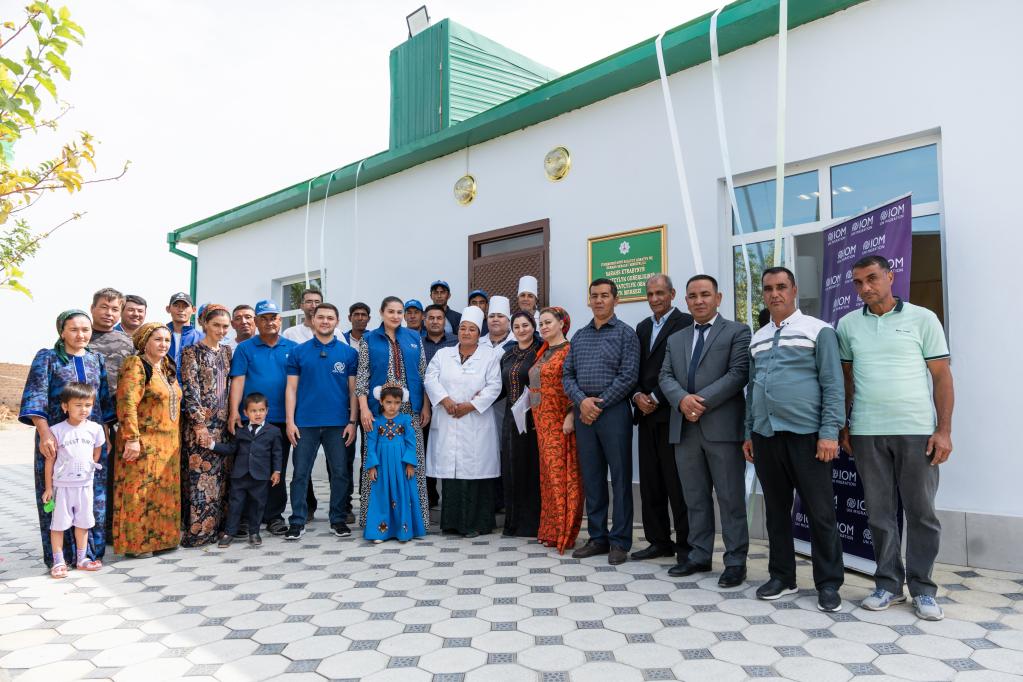
October 2, 2024, Ashgabat. A medical facility was inaugurated in Parahatchylyk village of Akhal velayat following the renovation and re-equipped with the support of the International Organization for Migration (IOM) in Turkmenistan for provision of long-term quality medical services to the village residents totaling about one thousand people, including the Afghan community living in the village. The opening ceremony, coinciding with celebrations of Turkmenistan's Independence Day, was attended by local representatives of the Ministry of Health and Medical Industry of Turkmenistan, the velayat administration, villagers and representatives of the Afghan community. Other than renovation of rooms for gynaecological, immunization and therapeutic services, the medical facility also got two additional rooms for general medical consultation. All rooms were equipped with relevant medical devices, computer equipment and furniture. The renovation of the medical facility and technical supervision was carried out by a national construction company and a national expert. 18 Afghan and 4 local community representatives were also contracted for the renovation works. As was noted by the ceremony participants, the renovation of the medical facility in Parahatchylyk village is evidence of the successful cooperation between IOM and national partners in expanding the socio-economic opportunities of vulnerable groups, especially women and girls, and strengthening the social cohesion of local communities and Afghan nationals residing there to ensure long-term sustainable development at the local level. The renovation of the medical facility in the village of Parahatchylyk is one of the components of IOM’s three-year regional project “Comprehensive Action Plan for Afghanistan and Neighboring Countries”. The project successfully operates a Mobile Resource Center, which to date has provided medical services and legal consultations to over 4,000 beneficiaries from the Afghan and local communities living in the villages of Akhal and Lebap provinces. In addition, the project supported the provision of vocational training in sewing to 50 women from the Afghan and local communities at the Vocational School of the Ministry of Energy of Turkmenistan in Mary, 17 of whom have by now managed to establish their own businesses.The project is implemented with direct involvement of representatives of the Afghan and local communities in Akhal and Lebap provinces and close cooperation with local authorities and non-governmental organizations. IOM Contact Person in Turkmenistan:Dovlet Chariyev, Project Associate tel.: +99365708755, e-mail: dchariyev@iom.int
1 of 5
Press Release
08 July 2025
WHO and Turkmenistan strengthen collaboration to improve COPD and asthma care
Throughout the two-day visit, the WHO delegation had a series of strategic meetings with technical departments of the Ministry of Health and Medical Industry of Turkmenistan. These discussions focused on the country’s experience and achievements in implementing previous programs targeting COPD and asthma. The mission also included consultations with public health representatives and visits to selected primary health care facilities and hospitals identified for the rollout of patient pathways across the whole cycle of care, including prevention, diagnosis, treatment, care, pulmonary rehabilitation, and palliative care services based on currently updating clinical protocols. The delegation visited the Health Houses in Ashgabat and the International Physiological-Scientific Clinical Center.A key highlight of the mission was a one-day workshop held on June 28 at the International Physiological-Scientific Clinical Center in Ashgabat. The workshop brought together national experts and healthcare professionals to analyze existing patient pathways and collaboratively design improved clinical pathways for COPD and asthma. The discussions emphasized the integration of evidence-based practices and team-based care models to ensure more coordinated, patient-centered service delivery.The mission also provided technical support for the final review and adaptation of national clinical protocols in line with international standards and evidence-based medicine. These efforts reflect a shared commitment by WHO and Turkmenistan to strengthen the quality of care and improve health outcomes for individuals living with chronic respiratory conditions.
1 of 5
Press Release
16 June 2025
FAO Strengthened National Capacity on SDG Indicators
Participants included specialists and representatives from national ministries, statistical offices, and sectoral agencies actively engaged in SDG monitoring and reporting. The webinar provided an in-depth look at several complex and high-priority SDG indicators, including gender equality in land rights (SDG 5.a.1), water resource management (SDG 6.4.2), sustainable agriculture (SDG 2.4.1), support to small-scale food producers (SDG 2.3.1 and 2.3.2), and sustainable fisheries (SDG 14.4.1). Throughout the sessions, FAO experts presented global methodologies, explained sub-indicators and data requirements, and guided national counterparts on how to interpret, adapt, and apply these indicators in the national context. Practical exercises using Excel, discussions on challenges in data collection, institutional arrangements, and strategies for aligning national systems with international reporting standards were all key components of the agenda. Particular attention was given to nationalizing SDG 2.4.1, with sessions devoted to its economic, environmental, and social dimensions, including the use of survey tools, alternative data sources, and steps toward full integration into national reporting frameworks. On the final day, participants practiced methodologies for identifying small-scale manufacturers of agricultural products, calculating productivity indicators using real datasets, and examined national readiness to report on the sustainability of fish stocks. This collaborative training served as a platform for open dialogue, knowledge exchange, and capacity development in line with the 2030 Agenda. It reflects the ongoing commitment of the UN Agencies to support evidence-based policymaking and improve national data systems that underpin sustainable development efforts.
1 of 5
Press Release
05 June 2025
UN Resident Coordinator Joins Turkmenistan’s World Environment Day Conference
Held on June 5 in Ashgabat, the conference brought together representatives from key ministries, government agencies, and international organizations to discuss strengthened collaboration in environmental protection. The event highlighted Turkmenistan’s proactive role in promoting environmental sustainability and its alignment with global initiatives to tackle climate change, preserve biodiversity, and protect the environment. In a plenary session that opened the conference, Mr. Shlapachenko highlighted the importance of multilateral cooperation and the role of the United Nations in supporting Turkmenistan’s environmental agenda. "The UN in Turkmenistan is proud to support the government and people of this country in responding to these challenges. Together, we are working under the umbrella of the UN Sustainable Development Cooperation Framework, aligned with Turkmenistan’s national priorities, to accelerate action” stressed Mr. Shlapachenko.The program featured a series of presentations and discussions focused on national environmental policy, legislative improvements, climate change adaptation, and fostering partnerships with regional and international stakeholders. The conference also served as a platform to explore opportunities for enhanced technical cooperation and policy dialogue.The United Nations stands ready to continue its support to Turkmenistan in achieving the Sustainable Development Goals (SDGs), with particular focus on climate action, clean water and sanitation, and life on land.
1 of 5
Press Release
04 June 2025
UN Round Table Highlights Pathways for Green Energy Transition in Turkmenistan
The round table served as an open platform for dialogue among government officials, international partners, academics, and young SDG Ambassadors, offering a timely opportunity to explore national priorities, policy reform, and practical steps needed to move toward a greener, more resilient energy system. In his opening remarks, Mr. Shlapachenko underscored that transitioning to green energy is not only a necessity to combat climate change—it is also a unique opportunity to modernize Turkmenistan’s economy, improve public health, and create new jobs. “It’s about investing in a future that is cleaner, more inclusive, and more resilient,” he said.The UN Resident Coordinator reaffirmed the Organization’s strong commitment to supporting Turkmenistan’s climate agenda. He highlighted key initiatives launched under the UN-Turkmenistan Strategic Advisory Board, including the establishment of a Regional Center for Climate Technologies in Central Asia, support for a just green energy transition, and actions aimed at reducing methane emissions in the oil and gas sector.He also shared that the UN Country Team has secured $250,000 in seed funding from the Joint SDG Fund to initiate the UN Joint Programme on Green Energy Transition in Turkmenistan, focusing on:Strengthening renewable energy policy and legal frameworks,Reducing emissions—especially methane—from the energy sector,Enhancing institutional and technical capacity to manage the energy transition effectively.Speakers stressed that achieving meaningful progress will require close cooperation across sectors and with the global community. The round table recognized the vital support provided by UN agencies including UNECE, UNEP, UNDP, UNOPS, and ESCAP, as well as international development partners such as the Asian Development Bank, World Bank, EU, and the U.S. Embassy. These partnerships are helping Turkmenistan advance national climate strategies, mobilize green financing, and access cutting-edge technologies.Discussions throughout the day emphasized the importance of aligning energy reforms with Turkmenistan’s broader national strategies—most notably the Presidential Programme 2022–2028 and climate commitments made at the 2023 SDG Summit. According to a recent UN-led analysis, the country would need to invest approximately 1% of GDP annually between 2026 and 2030 to reduce methane emissions and achieve a target of 10% renewable energy share in final energy consumption.Taking place on the 10th anniversary of the Paris Agreement, the round table provided a timely platform for stakeholders to shape evidence-based and internationally aligned approaches to energy and climate policy. Participants highlighted the critical role of science, innovation, and knowledge exchange in developing effective regulation and expanding environmental monitoring systems. The engagement of Turkmenistan’s SDG Ambassadors brought a dynamic youth perspective to the discussions. They called for inclusive climate policies, greater space for innovation, and stronger support for civic engagement—underlining the role of young people as drivers of sustainable change.The round table concluded with a shared commitment to accelerate the green energy transition in Turkmenistan through collaborative action, sound policymaking, and continued partnership at both national and international levels.
1 of 5
Press Release
28 May 2025
Steering Committee Reviews UN-Turkmenistan Cooperation Framework Progress
In his opening remarks, Mr. Shlapachenko highlighted the strong collaboration between the United Nations and the Government of Turkmenistan and reaffirmed the UN’s commitment to supporting national development goals aligned with the Sustainable Development Goals (SDGs).The Committee reviewed national development priorities for 2025 and their integration into the Joint Work Plans (JWPs). Presentations by Results Group Co-Chairs emphasized sectoral priorities and identified key implementation risks and barriers. Following the discussion, the Steering Committee approved the JWPs for 2025, paving the way for continued, coordinated action across thematic areas.A key focus of the meeting was the discussion on the next UN-Turkmenistan Sustainable Development Cooperation Framework and the Country Programme Documents (CPDs) for 2026–2030 for UNDP, UNFPA, and UNICEF. Ms. Selbi Hanova, Head of the UN Resident Coordinator’s Office, presented the strategic direction of the upcoming Cooperation Framework, which received broad support and endorsement from both parties.The session also included a review of resource mobilization efforts and funding trends, led by Mr. Maksat Keshiyev from the UN RCO. This dialogue aimed to enhance alignment and effectiveness of development financing in support of UNSDCF implementation.Concluding the meeting, Deputy Minister of Foreign Affairs Ms. Mahri Bashimova and UN Resident Coordinator Mr. Shlapachenko reaffirmed the shared commitment to achieving sustainable development in Turkmenistan through inclusive and results-driven partnerships.
1 of 5
Latest Resources
1 / 11



1 / 11